
Description
Kleinood
Tamboerskloof
Katharien
Syrah Rosé
2025
The Story
Just like its namesake, the ‘Katharien’ Syrah Rosé has grown up: from a blushing, bright-eyed and bushy-tailed debutant to a celebration of terroir, cultivar and elegance.
This Rosé is no summer trifle. Complex enough to reward attention and structured enough to stand beside considered food, it belongs as readily to a balmy afternoon as a cool evening.
“A serious wine, made in a form too often treated frivolously — and all the more singular for it.”
The Wine
With the Katharien Syrah Rosé, the objective was to move completely away from simple, ephemeral fruit profiles and craft a dry Rosé of serious structural intent. It is a purposeful wine that strikes a perfect balance between vibrant freshness and a sophisticated, architectural phenolic grip derived from its unique whole-bunch pressing regime.
While it offers a captivating elegance on the nose, it carries a deep, lean strength and exceptional tension underneath. Crafted for moments of stillness and connection, it is a refined expression that possesses the poise to be enjoyed on its own, yet commands the complexity to stand up to fine gastronomy.
100% Syrah
“This Syrah Rosé is a dedicated, farm-planned wine rather than a secondary product.”
In The Vineyard
As a farm fundamentally driven by the viticultural principles of the Northern Rhône, our vineyard management follows natural cycles of renewal. As older blocks reach the end of their productive lifespan, they are systematically replaced with young vines. During their transition toward maturity, these youthful Syrah vines are strictly isolated from the older parcels. Out of respect for the vine’s development, this fruit is purposefully allocated to the Katharien Syrah Rosé.
To achieve the ideal fruit profile, we maintain a deliberate balance between these vibrant young vines and well-established, mature blocks rooted in our unique terroir.
Situated in a distinct macroclimate between the Stellenbosch and Helderberg mountain ranges, the farm benefits from a highly specific mesoclimate driven by the Blaauwklippen River running through the property. This close proximity to moving water creates a natural cooling corridor, tempering daytime temperatures and lowering the night-time diurnal baseline. This constant convective cooling slows down sugar accumulation and preserves vital organic acids in the grapes.
The farm’s notable altitudinal gradient—ranging from the top parcels at 198 metres down to the lower blocks at 172 metres above mean sea level—further diversifies our fruit profiles. Across this topsoil spectrum, the vines span four distinct soil types. These formations transition from weathered granite mother material and decomposed sandstone on the upper slopes to deep, alluvial sandy soils along the valley floor. The heavier, mineral-rich mountain soils impart an architectural phenolic structure and longevity, whilst the well-drained, alluvial sand deposits encourage root depth and maximise the expression of delicate aromatic precursors.
This Syrah Rosé is a dedicated, farm-planned wine rather than a secondary product. The specific blocks destined for this label are identified early in the growing season. On these parcels, a slightly less rigorous crop thinning is performed. This intentional yield management encourages healthy competition within the vine, naturally tempering colour concentration—a calculated approach that achieves precise fruit purity and stabilised colour assimilation, whilst retaining a bright, structural elegance.
Microclimate management within the canopy is equally precise. Leaf removal is executed strictly on the morning sun side of the vine, exposing the clusters to direct early sunlight to enhance ripe berry flavours and drive the fruit profile of the wine. Conversely, the afternoon sun side retains its leaves, protecting the fruit from harsh heat and preserving a tighter structure with more restraint. The subsequent combination of these distinct building blocks creates exceptional balance in the final blend.
Working with an aromatic variety like Syrah requires intensive, hands-on monitoring. The determination of the exact harvest date is critical to maintaining our consistent style. Vineyard analysis focuses heavily on the condition of the stems alongside the berries, ensuring the stems achieve advanced phenolic ripeness. This is essential for our whole-bunch pressing regime, preventing the extraction of green, herbaceous flavours or aggressive tannins.
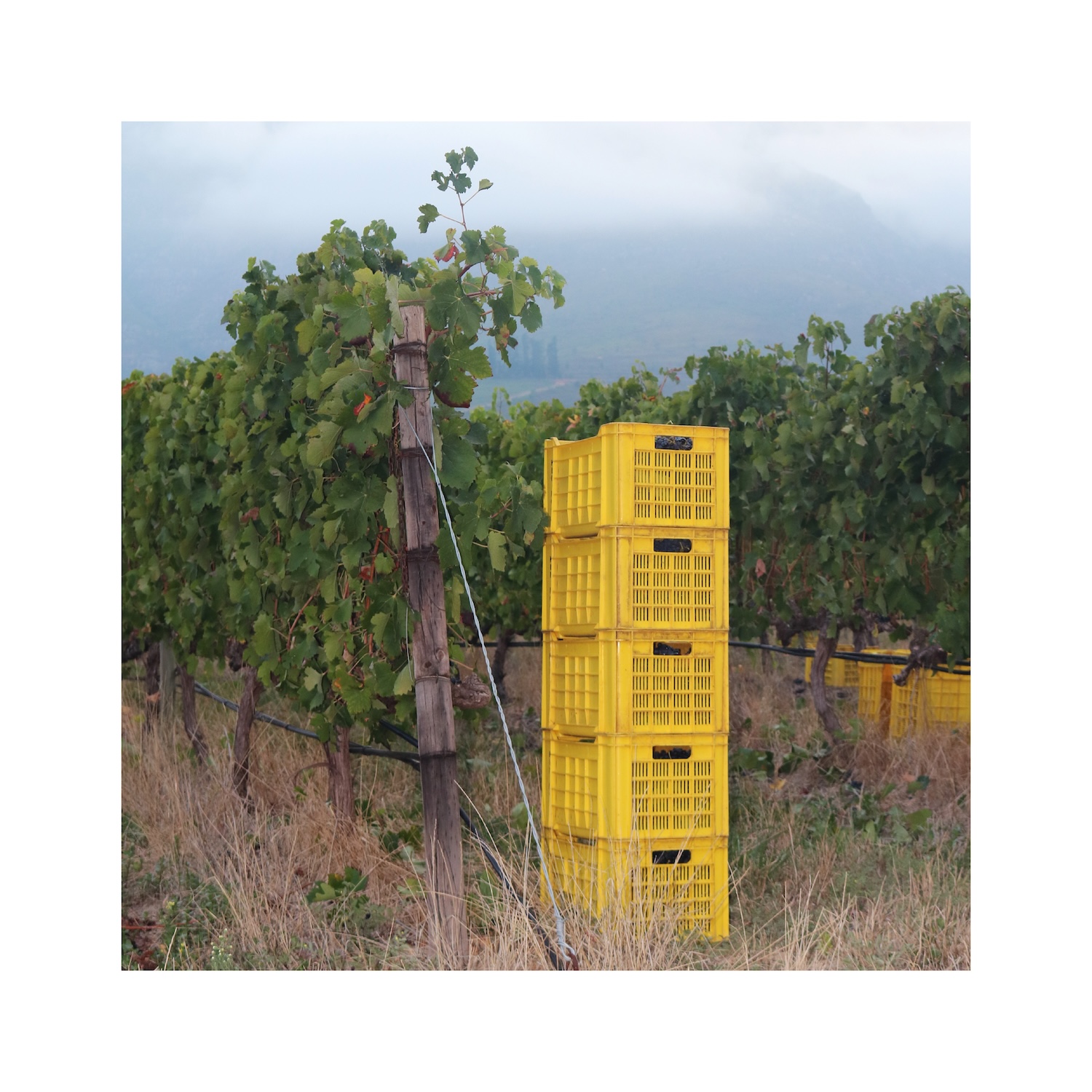
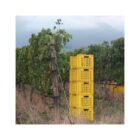
The grapes are picked at an exact window between 21.5° and 22° Balling, ensuring the perfect balance between phenolic maturity, natural acidity, and peak aromatic precursors. To preserve fruit integrity, hand-harvesting is completed in the crisp, early morning hours before the sun rises over the Stellenbosch mountain range. The fruit is then transported immediately to the cellar in small, 18kg picking crates to minimise berry breakage.
In The Winery
Upon arrival at the cellar, the hand-harvested 18kg picking crates are loaded directly into the press. Rather than opting for standard skin contact or saignée methods, we employ a strict whole-bunch pressing regime. The pressing cycle is a slow, exceptionally delicate operation lasting approximately two and a half hours. Pressure is increased incrementally with each stage, ensuring a measured, low-shear juice extraction. This deliberate pacing forces the juice into extended contact with the rachis (stems) present in the press. As the cycle progresses, the natural, gradual fracturing of these phenolically ripe stems introduces an essential, foundational layer of structural polymeric tannins directly into the juice. This immediate building of phenolic architecture sets the benchmark for the wine’s serious, age-worthy profile.
Spectrophotometric colour management and visual assessment are critical at this first phase of processing; excessive anthocyanin extraction would compromise the wine’s characteristic luminosity and pale hue, whilst insufficient contact risks lacking visual substance and varietal definition.
Once pressed, the juice is transferred to a stainless steel tank for static overnight settling via cold clarification at a controlled temperature of 9°C. The following morning, the clear juice is racked and divided into two separate fermentation vessels to initiate the next phase of complexity, utilising two distinct, highly specialised yeast strains. The first strain is selected entirely to produce key polysaccharides and glycerol to build mid-palate structure, weight, and mouthfeel. The second strain is deployed to maximise and safeguard the complex, elegant thiol and ester aromatic precursors inherent to Syrah.
Both strains are highly temperature-sensitive, necessitating rigorous daily monitoring of the kinetic fermentation curves. At a critical density of between 14° and 16° Balling, the active ferment inoculated for structure and texture is racked into four neutral 500-litre French oak barrels. In these vessels, the wine completes primary fermentation and remains on its gross lees for reductive protection and autolytic development until final blending. This barrel component introduces a crucial third tier of complexity, micro-oxygenation, and refined texture.
The remaining volumes of the structural and aromatic ferments are carefully managed to keep the tanks full and protected from oxidation. Just prior to bottling, the barrel-matured components are integrated into the final blend, delivering a serious, dry, and intricately structured Syrah Rosé that prioritises form, phenolic grip, and longevity over simple, short-lived fruitiness.
In The Bottle
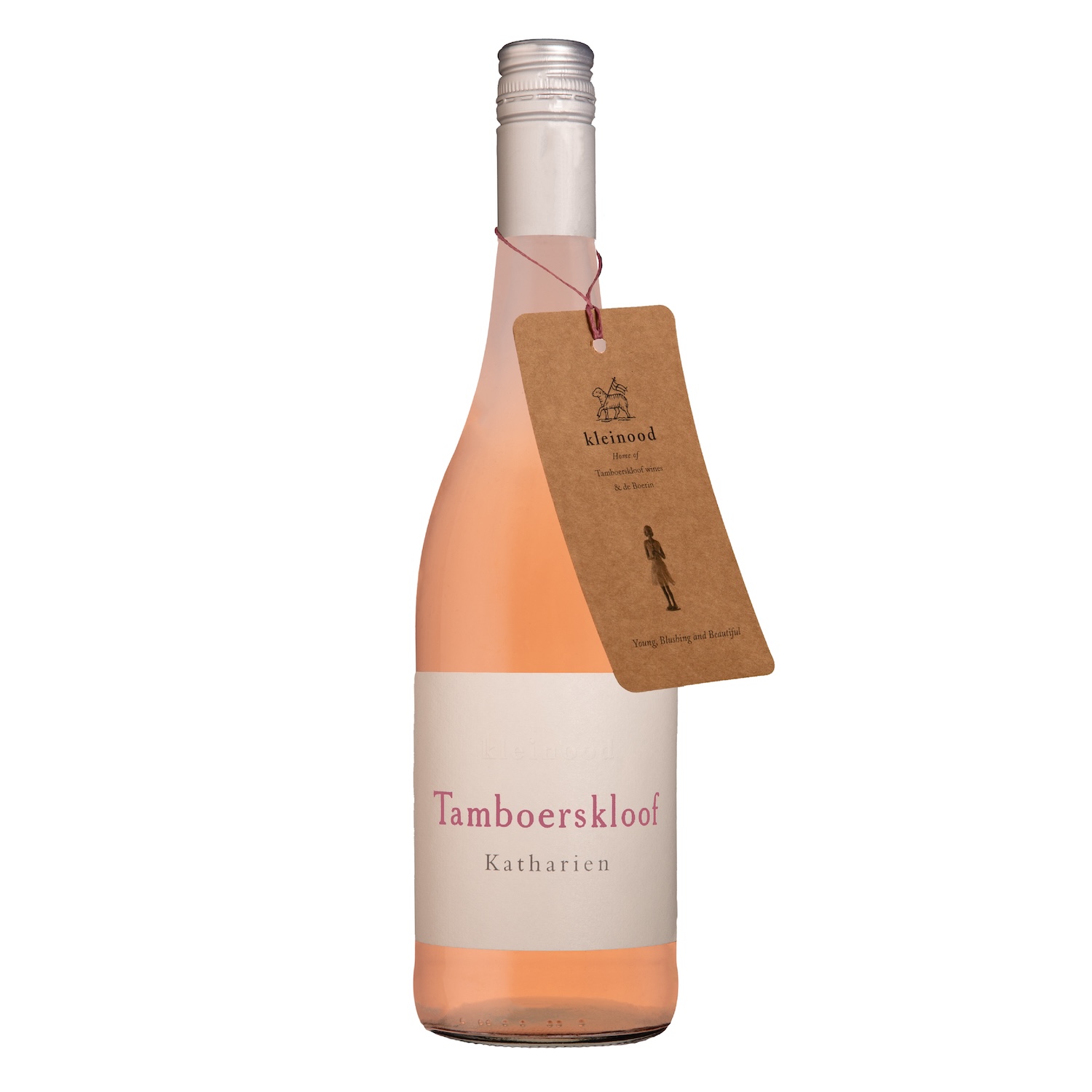
The culmination of this deliberate viticultural and oenological approach is a wine that redefines the parameters of serious dry Rosé. On the pour, it presents a luminous, pale salmon hue with brilliant clarity—the direct result of calculated yield control and precise whole-bunch pressing.
The nose is complex and highly focused, completely avoiding simple, synthetic fruit notes. Instead, the inherent character of the Syrah variety takes precedence, yielding aromas of wild red berries, orange zest, and a subtle flinty minerality. These are beautifully underpinned by sophisticated savoury nuances and a delicate touch of white pepper.
On the palate, the wine immediately distinguishes itself through its exceptional tension and linear focus. The bright, natural acidity preserved by the valley’s mesoclimate cuts cleanly through the mid-palate, highlighting pristine fruit purity. Rather than offering a soft, ephemeral finish, the wine reveals its deep, lean strength; the integration of the barrel-fermented component and the natural extraction of stem tannins deliver a sophisticated, architectural phenolic grip. It is a captivating, beautifully structured Roséwith profound length and a bone-dry, age-worthy finish that speaks entirely of origin and uncompromising quality.
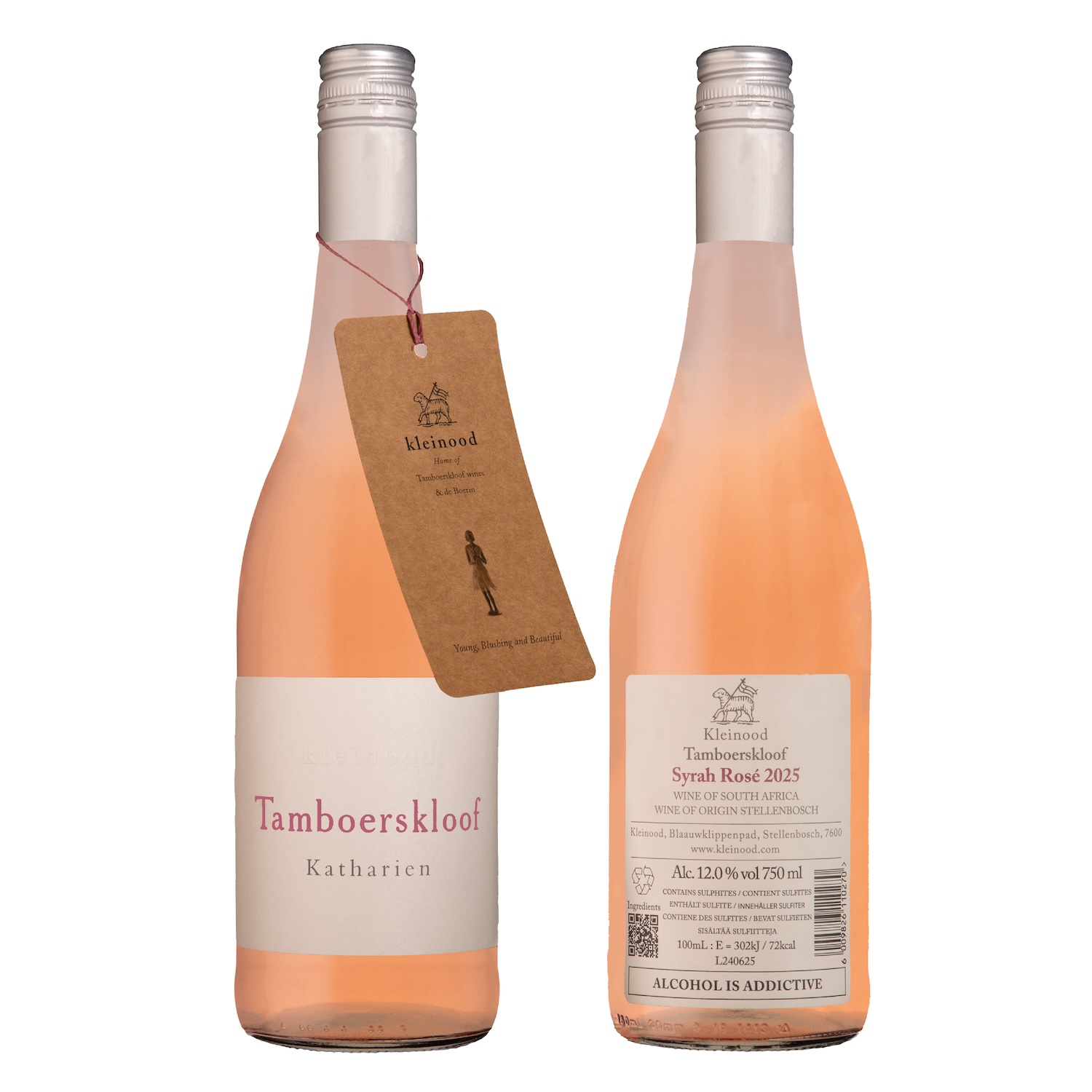
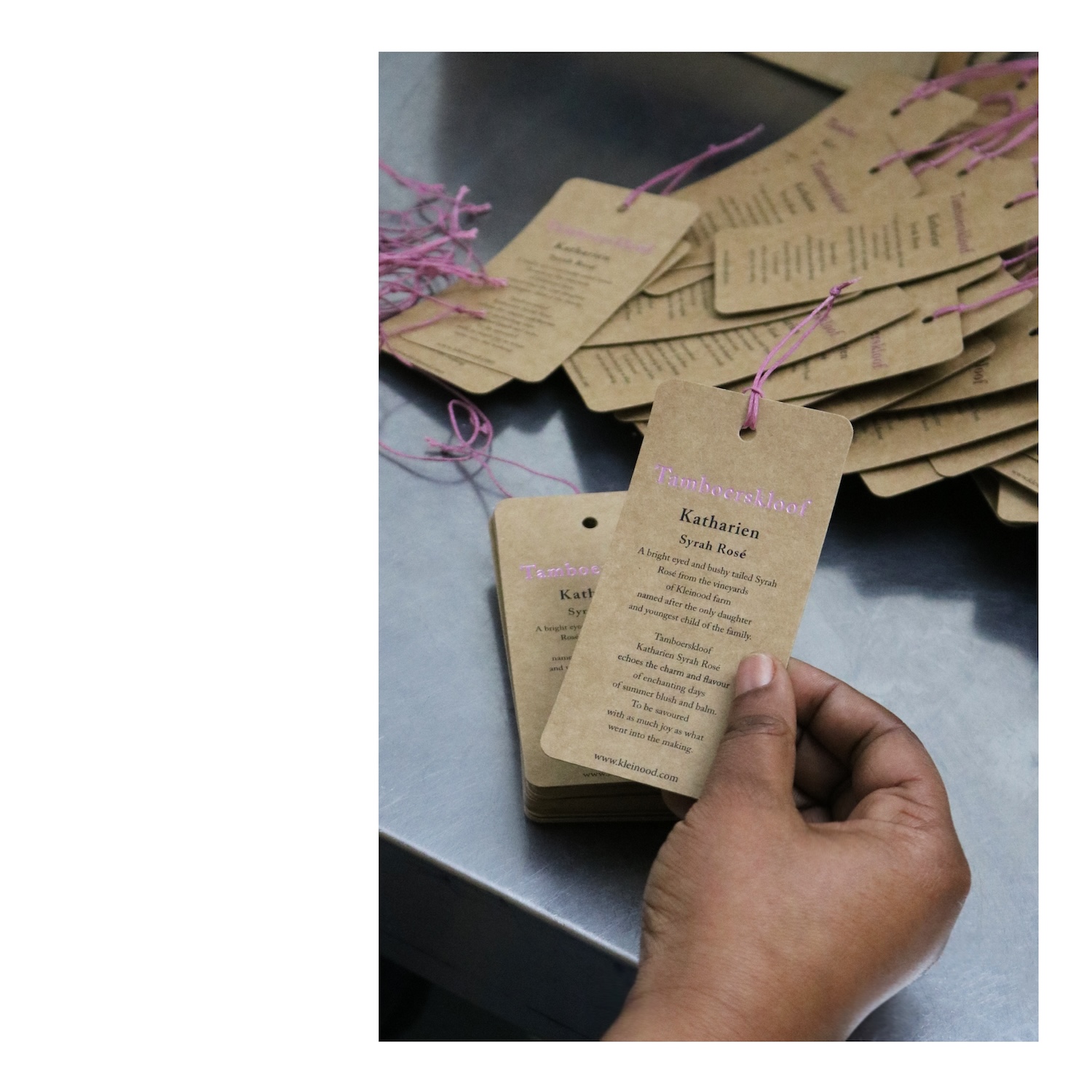
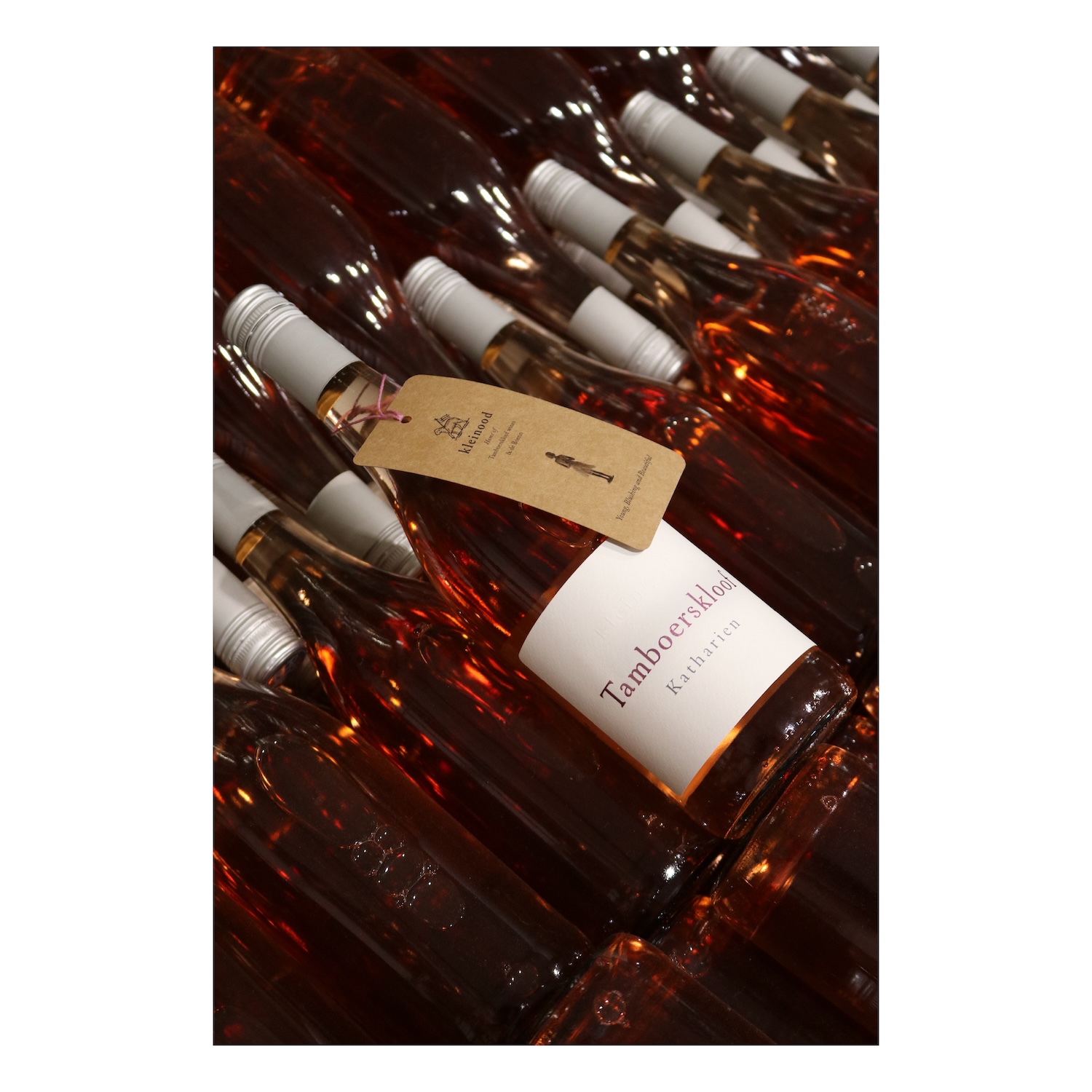
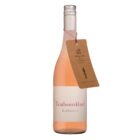
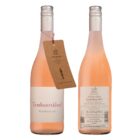
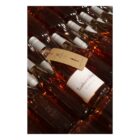
The small neck tag distinguishes our Syrah Rosé from the other Tamboerskloof wines. The image is that of a sculpture of Katharien when she was a little girl, made by her maternal grandmother. The original sculpture is cast in bronze with a linen dress, and sits proudly on the mantel in the manor house of Kleinood Farm.
To appreciate its full complexity, serve slightly chilled at 10–12°C. Thanks to its structural depth and phenolic grip, it pairs exceptionally well with seared tuna loin, fresh line fish carpaccio, wood-fired prawns, rocket and beef carpaccio, or a crisp, herb-crusted pork loin.