





Description
Kleinood
Tamboerskloof
Viognier
2026
The Story
Before planting any vines on Kleinood Farm, extensive soil tests were conducted, which indicated that our terroir is best suited to Northern Rhône cultivars, including Viognier, which is often planted only for blending purposes.
However, as the vines matured, we realised that our Viognier could stand alone…
The Wine
100% Viognier
“The culmination of our deliberate viticultural and oenological approach is a wine that redefines the parameters of serious dry Viognier.”
In The Vineyard
Crafting a serious, multi-dimensional Viognier requires a meticulous understanding of terroir and precise viticultural architecture. The Tamboerskloof style relies on the deliberate synthesis of distinct building blocks, seeking out specific microclimates and soil profiles that offer optimal conditions for this notoriously temperamental variety.
This approach becomes highly evident on Kleinood Farm, which is nestled along the banks of the Blaauwklippen River and showcases the beauty of having multi-dimensional pockets of terroir mere metres apart. Here, we manage two distinct blocks of Viognier where the soil drainage shifts drastically across a literal 15-metre span. One block is situated in deep alluvial soil right next to the riverbed. Directly adjacent, the second block is purposefully planted on constructed ridges. Elevating the vines on these ridges is a critical technical intervention; it keeps the root systems out of potentially waterlogged soils, ensuring the rootzone can breathe and function optimally.
To navigate these localised soil challenges, specific rootstocks were selected based on their inherent ability to operate successfully within each distinct subterranean environment. These specialised root systems are chosen not merely to manage moisture fluctuations, but to adapt dynamically to distinct pH variations, shifting mineral compositions, and intermittent waterlogging. By neutralising these soil-specific stresses, they maintain the physiological balance of the vine, ensuring that our selected Viognierclones remain healthy, uniform, and productive. Furthermore, both blocks are trained using the Guyot pruning system. By limiting the number of large structural cuts made during each pruning season, the Guyot system mitigates the risk of wood diseases, effectively keeping the vines healthy and fertile for longer.
To complement the structural and mineral attributes of our riverfront blocks, we look to additional high-altitude, sun-drenched slopes within the region where the vines are exposed to consistent moving air. This deliberate site selection naturally extends the hang-time of the berries, allowing for the steady accumulation of the complex, exotic terpene compounds responsible for the variety’s signature aromatics, whilst avoiding the rapid drop in natural acidity that occurs in flat, trapping heat. These complementary parcels are rooted predominantly in weathered granite mother material and deep, clay-rich soils, which regulate vine vigour and impart a distinct phenolic weight to the final blend.
Canopy management across all parcels remains uncompromised, striking a precise balance between leaf removal to ensure light penetration for flavour development, and shading to protect the delicate skins from sun-scald. Given that the window of optimal ripeness for Viognier is exceptionally fleeting, harvest parameters are monitored daily. The grapes are hand-harvested at the exact intersection of phenolic maturity and structural freshness, captured in the crisp early morning hours to preserve the pristine quality of the fruit.
In The Winery
Viognier presents notorious stylistic and structural challenges in the cellar, demanding absolute precision from the moment of intake. A defining physiological trait of the variety is its exceptionally high pectin content, which directly impacts juice viscosity, yield, and clarity if left unmanaged.
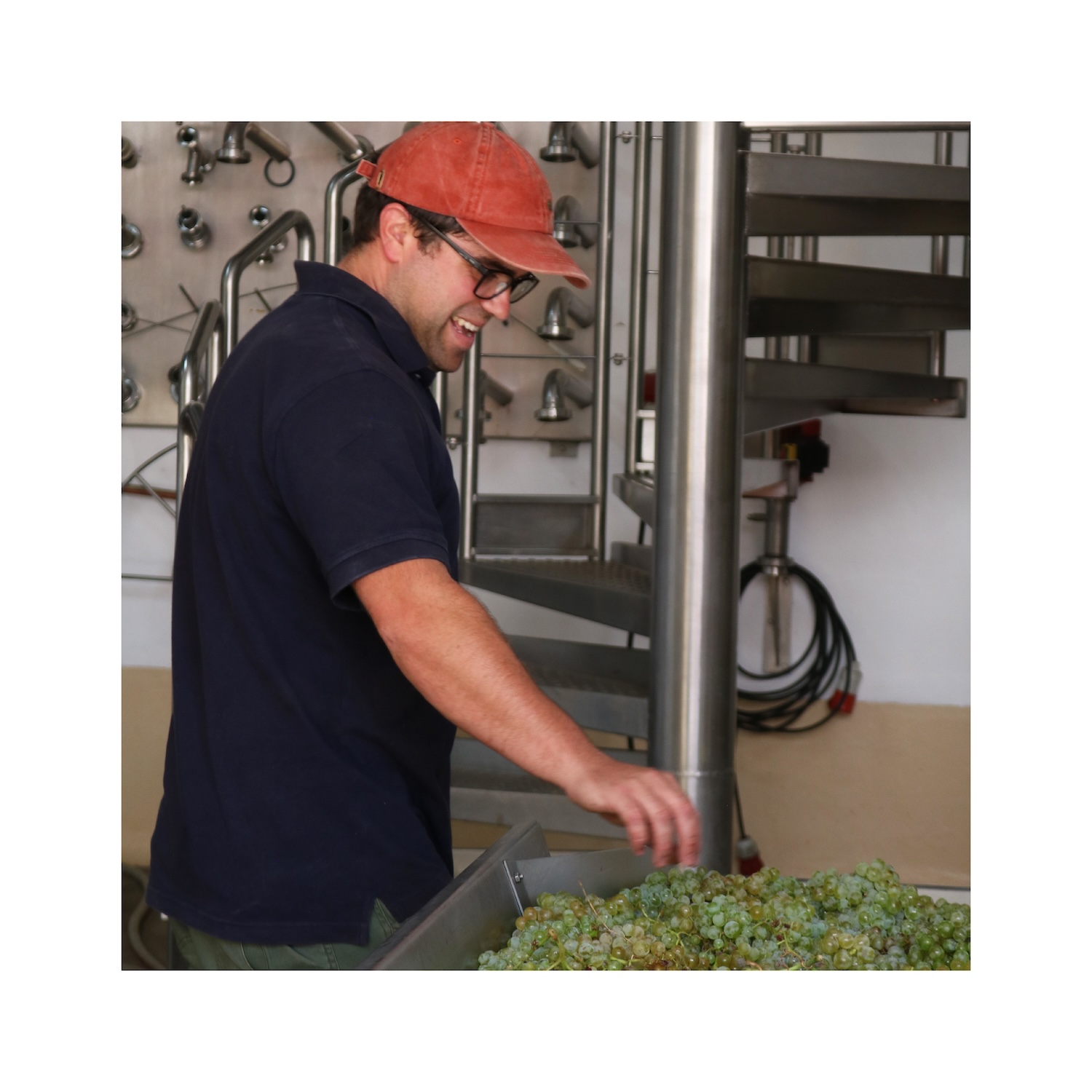
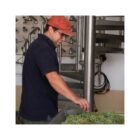
Upon arrival at the cellar, the hand-harvested fruit undergoes an extensive, dual-phase sorting regime. Initially, the intact whole bunches from the 18kg picking crates are distributed across a primary sorting table. A dedicated team—guaranteeing a minimum of 14 hands and eyes—conducts a rigorous macroscopic inspection, removing substandard clusters entirely. Bunches with minor bruising are meticulously trimmed by hand to salvage pristine fruit before being returned to the line. The fruit is then elevated via conveyor belt to a destemmer-crusher, after which the individual berries pass over a secondary sorting table for a final quality control check.
The definitive selection is transferred via gravity into stainless steel tanks pre-cooled to 7°C. To address the elevated pectin levels immediately, a specialised pectolytic enzyme is introduced to the crushed must. The fruit undergoes a cold maceration overnight in the chilled tank to facilitate juice extraction and precursor liberation without extracting harsh skin phenolics. The following morning, the free-run juice is drained and the remaining skins are gently pressed into a separate stainless steel vessel for static cold settling, followed by racking 24 hours later.
Our fruit is harvested at vastly different ripeness levels—a deliberate strategy designed to move away from the overly viscous, heavy, and alcoholic styles historically associated with the variety. The objective is to respect Viognier’s intrinsic varietal character whilst engineering a wine defined by linear precision, freshness, and a sophisticated structural backbone.
To achieve this nuanced architecture, we employ an array of sophisticated vinification techniques across multiple fermentation streams. A portion of the juice undergoes spontaneous fermentation with wild yeasts to enhance texture and complexity, while other parcels are inoculated with specialised yeast strains. Notably, to preserve and naturally enhance the wine’s freshness, we utilise a specific strain that metabolises the glucose and fructose already present in the juice to naturally produce lactic acid, working entirely with components inherent to the must’s original composition.
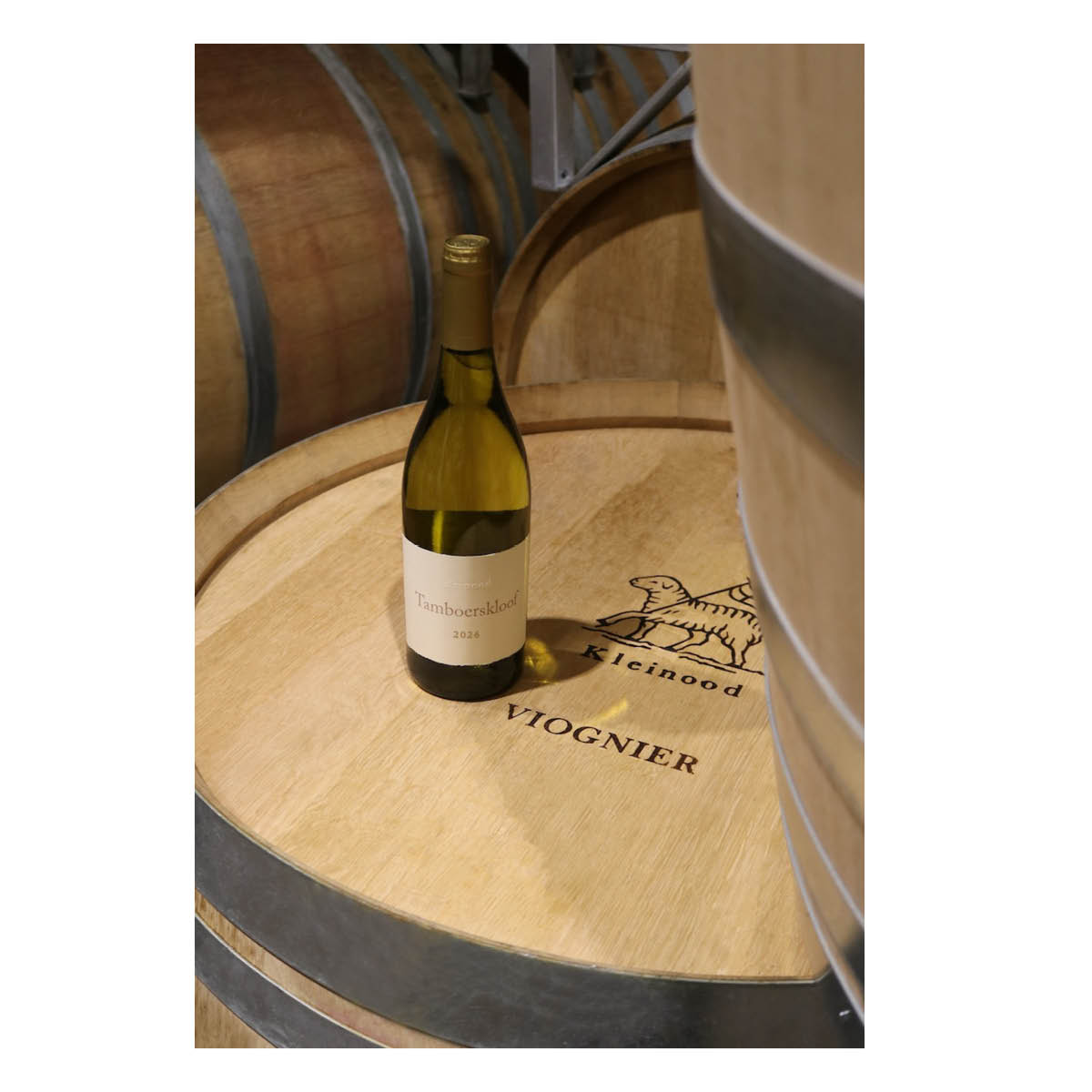
The interplay between stainless steel and oak is vital to achieving the ultimate harmony of the final blend. Fermentation and subsequent maturation are conducted across a matrix of temperature-controlled stainless steel tanks and 500-litre French oak barrels, incorporating a combination of new, second-fill, and third-fill vessels. Retaining a dedicated component in stainless steel preserves a clean, driving linearity and pure varietal aromatics, while the various barrel profiles offer complex lees-matured weight and subtle micro-oxygenation.
In The Bottle
The culmination of this deliberate viticultural and oenological approach is a wine that redefines the parameters of serious dry Viognier. On the eye, it displays a brilliant, pale straw hue with a distinct luminosity, hinting at the wine’s vibrant energy.
The nose is complex and highly expressive, revealing a sophisticated aromatic spectrum that unfolds in layers. It opens with an abundance of fresh stone fruit—predominantly white peach and sun-ripened apricot—seamlessly intertwined with delicate notes of fresh spring flowers and a refined floral lift. Thanks to the carefully managed oak matrix, these primary aromatics are beautifully supported by a very subtle, underlying creamy complexity rather than overt wood flavours.
On the palate, the true success of our cellar intervention becomes clear. The wine immediately asserts its balanced, linear focus, discarding any unwanted heavy viscosity in favour of a taut, driving freshness. This remarkable natural acidity, elevated by the lactic acid naturally produced during fermentation, cuts cleanly through the mid-palate to highlight absolute fruit purity. The structural backbone is sophisticated and well-knit; the interplay between the crisp stainless steel components and the lees-matured weight of the new, second, and third-fill 500-litre barrels delivers a beautiful, phenolic grip and an expansive texture.
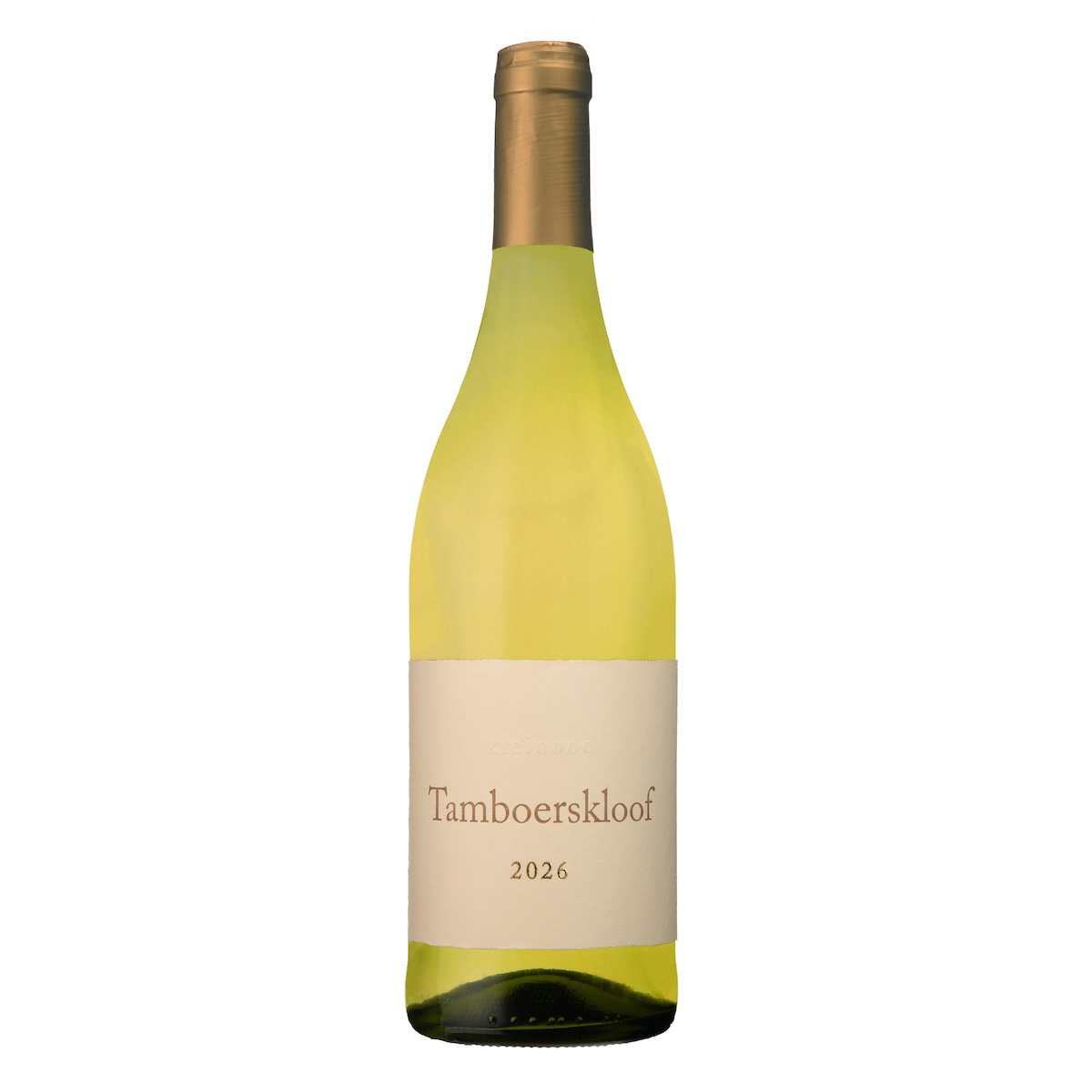
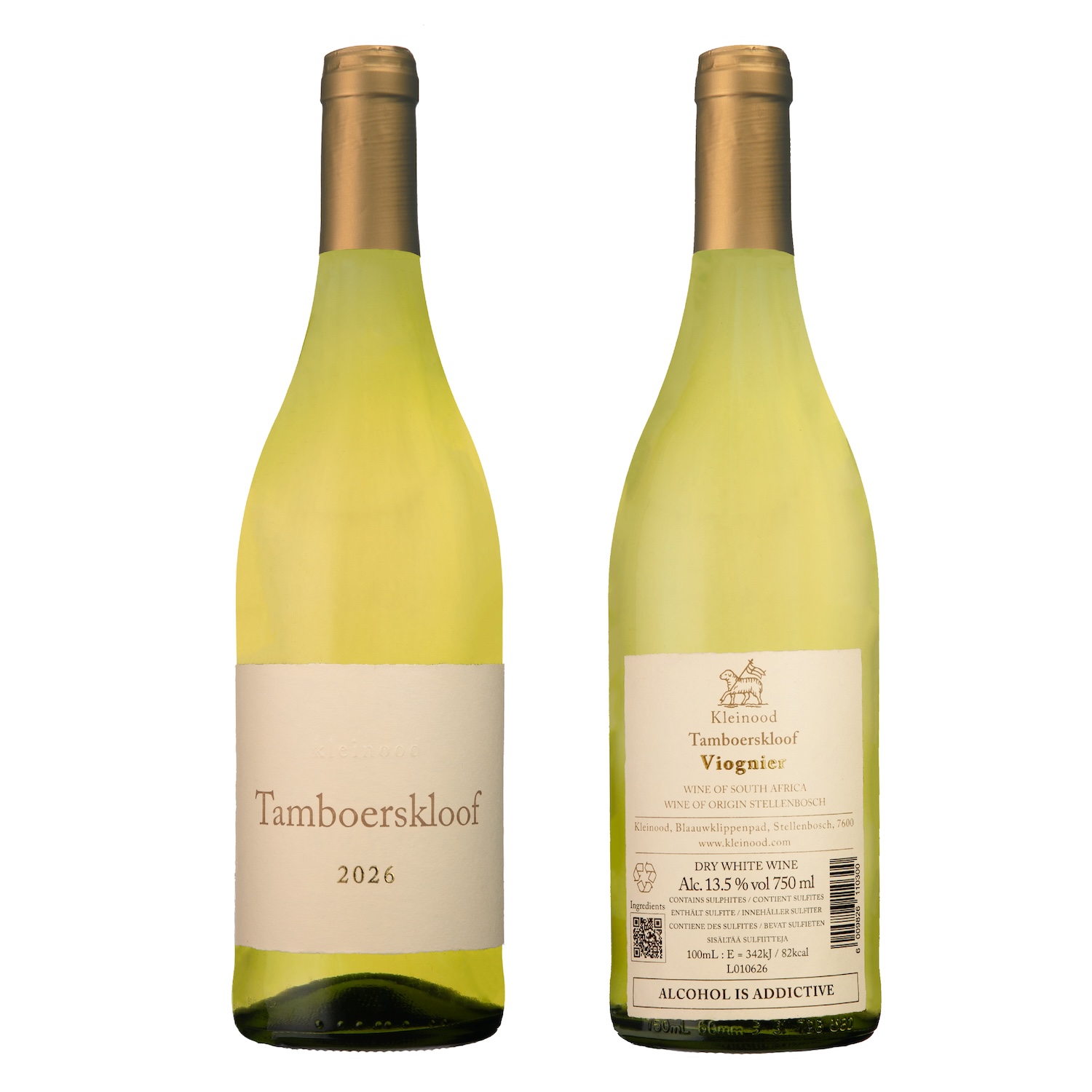
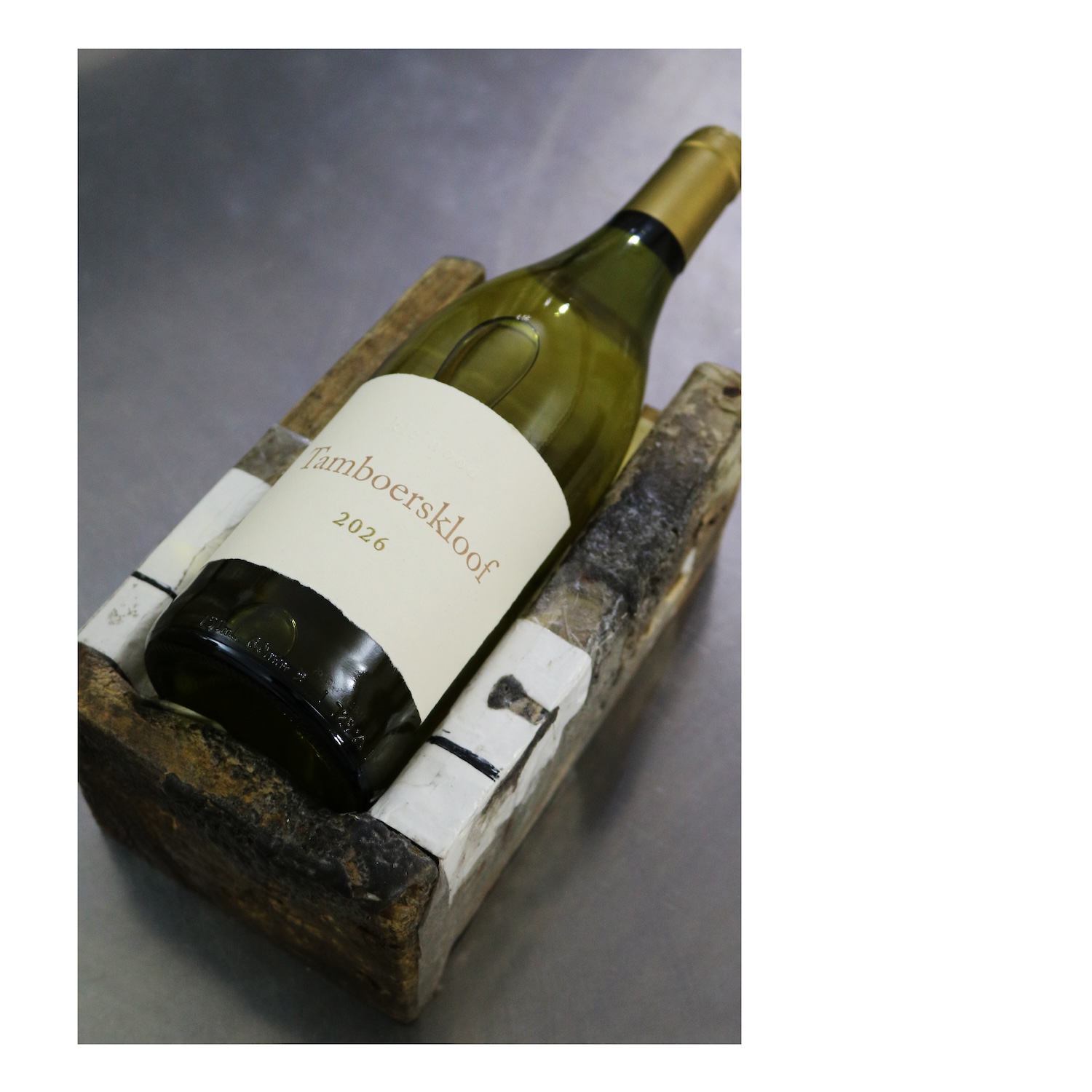
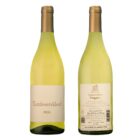
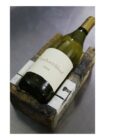
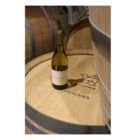
The distinctive, yet characteristically understated, Tamboerskloof wine labels are hand printed with an antique wooden press on handmade paper that is torn to size by hand and stuck onto each individual bottle by hand.
Layered and complex yet singular and defined, the Kleinood Tamboerskloof Viognier is a captivating white wine that commands attention when paired with food, but possesses the harmony and precision to be enjoyed entirely on its own.
To appreciate its full complexity, serve slightly chilled at 10–12°C. Thanks to its structural depth, vibrant acidity, and elegant stone fruit profile, it pairs exceptionally well with aromatic Cape Malay fish curries, pan-roasted line fish with lemon-butter sauce, seared scallops with pork belly, or mild, creamy artisanal cheeses.