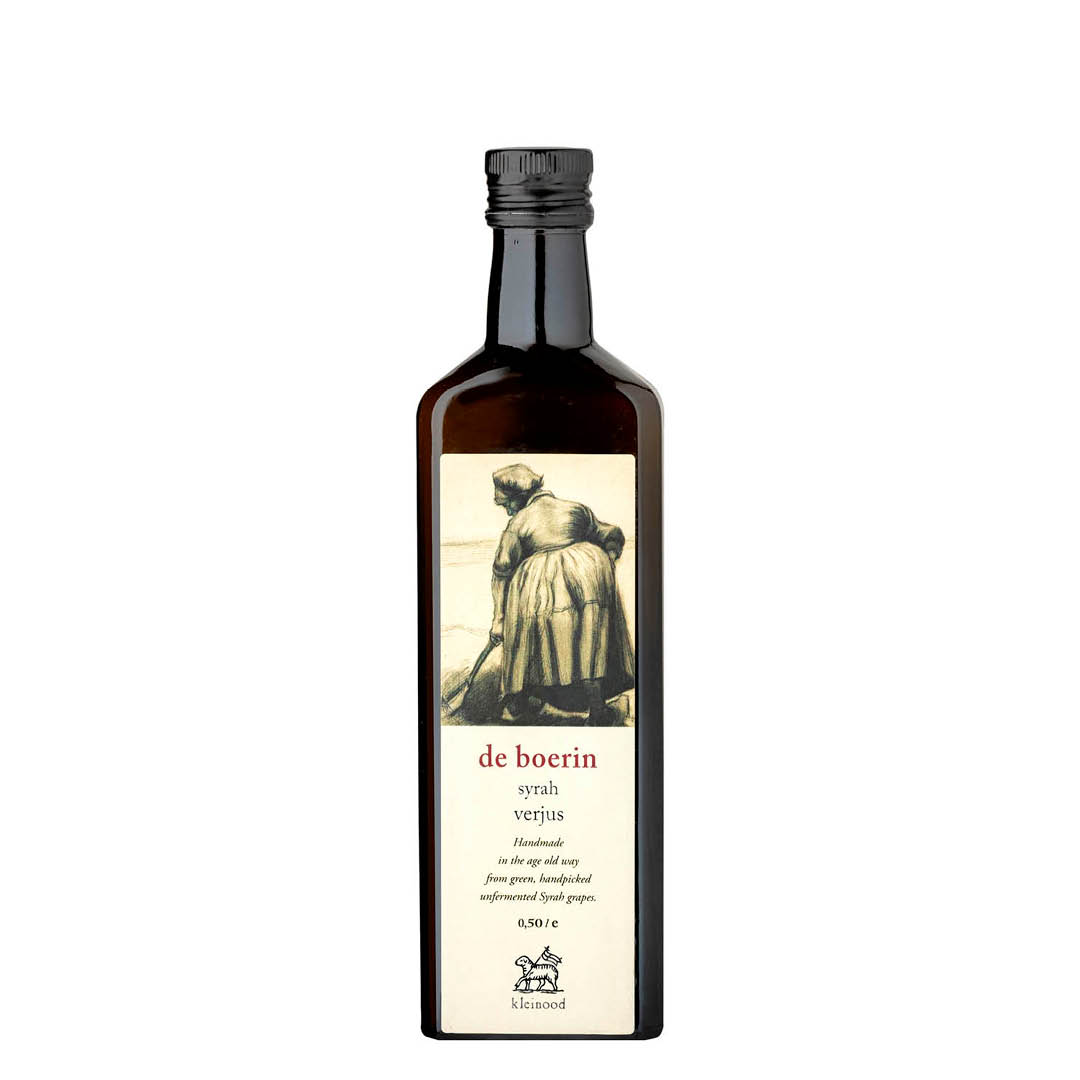
Kleinood Farm is not only about wine but, that said, it is never not about wine…
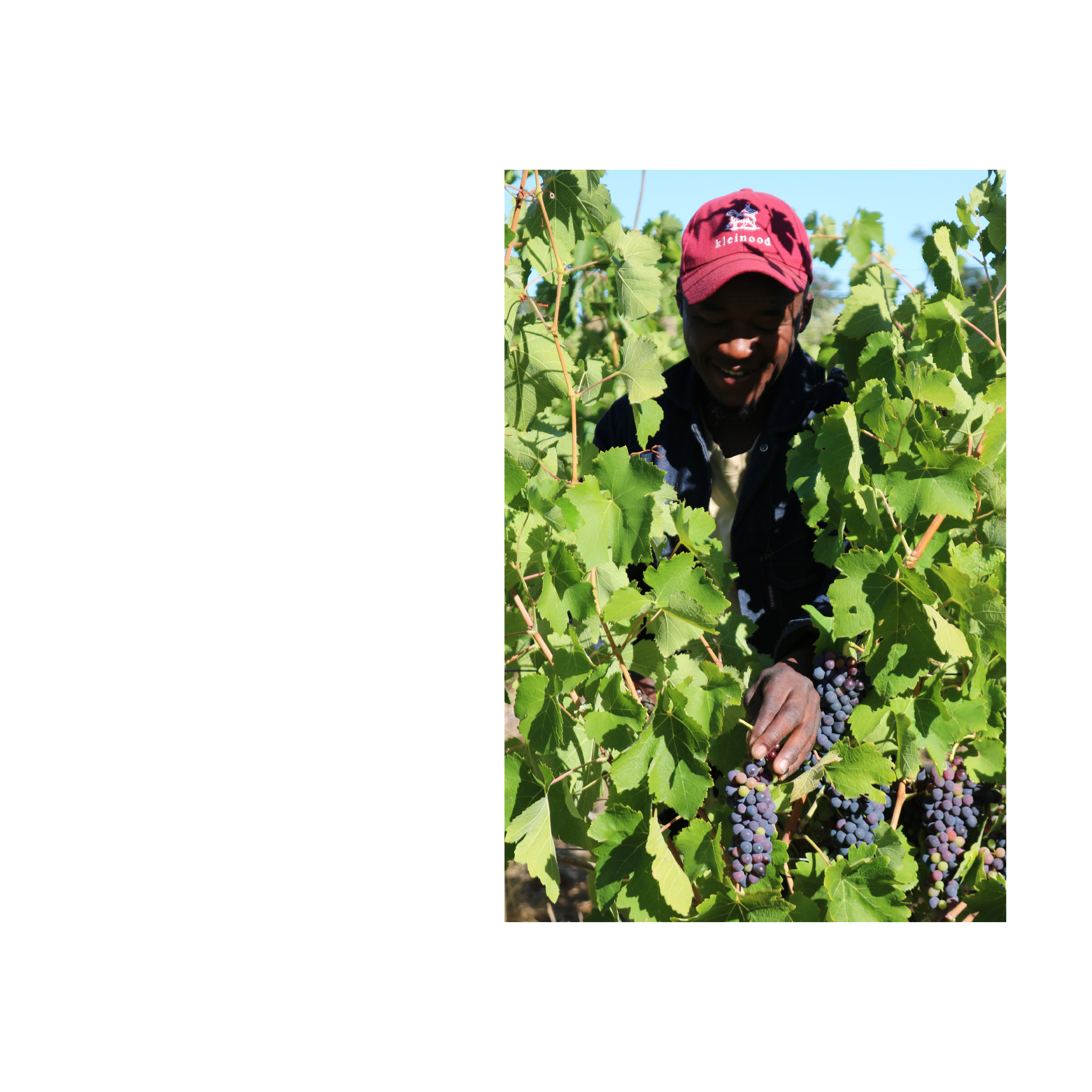
Verjus is an ancient elixir made from green, unfermented wine grapes picked when the grapes are just starting to change colour on the vine. During this period of veraison the grapes are thinned to reduce the crop load on the vines for winemaking quality purposes. Even though we can see and smell and taste the impact of the thinning process in our beloved Tamboerskloof wines, simply leaving these perfect albeit unripe grapes lying in the vineyard feels wrong…
And so, back in 2014 our harvest on Kleinood Farm started much earlier, during veraison, when the thinned grapes were picked by hand and taken to the winery, to become the first-ever de Boerin Syrah Verjus.
Verjus is pronounced vair-ZHOO
We cannot claim the invention of this innovative by-product. In fact, it dates back to ancient times. Verjus features in Medieval Roman recipes dating back as far as 71 A.D. As they made their way North, grapes spread with them, and by 300 A.D. this juice was made and used in abundance throughout Europe and the Middle East. It was enjoyed as a tart and refreshing drink. It’s was also used as a culinary ingredient, to add acidic flavours to food. However, with the arrival of lemons from the east, and the discovery of vinegar, Verjus became somewhat redundant.
Persian: Abe Ghureh = unripe grape water
Iranian: Ab-ghooreh = grape water
Turkish: Koruk Suyu = unripe grape juice
Arabic: Husroum = sour grape juice
French: Vert Jus / Jus Vert = green juice
Science has since revealed that this elixir has serious health benefits. Perhaps something that ancient communities and traditional healers knew instinctively, as it often appears in medicinal recipes for various aches and pains. We now know that Verjus is high in vitamin C and polyphenols but low in sugar, making it immune-boosting, anti-inflammatory and a natural digestive. It is also proven to lower cholesterol and blood pressure, while regulating blood sugar.
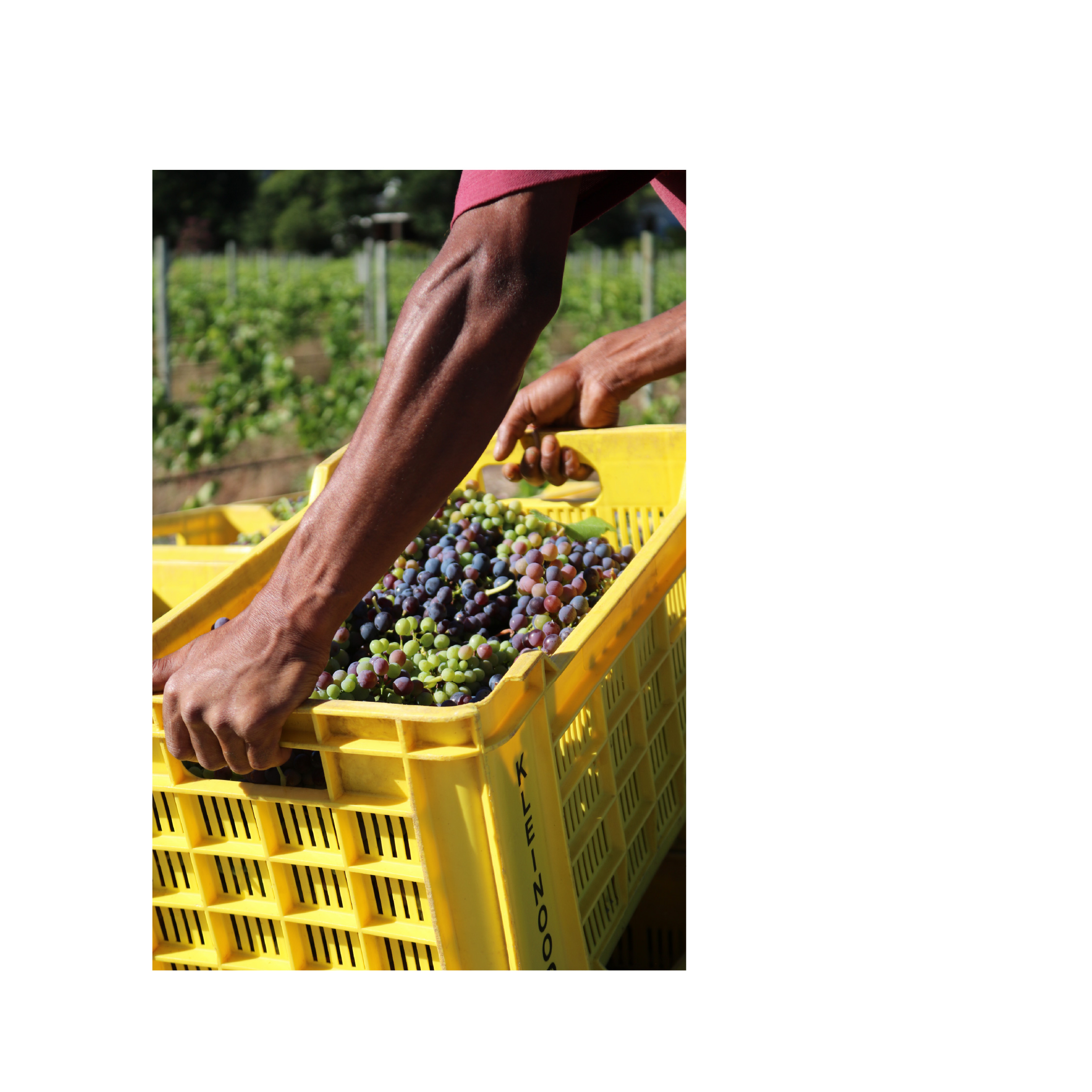
The Making of de Boerin Syrah Verjus 2026
This summer will be remembered for its unrelenting heat and formidable aridity. In such a taxing environment, one can almost feel the grapevine’s physiology shift toward self-preservation. As a winemaker, the challenge is to listen to the vineyard; to ensure the ultimate concentration and phenolic ripeness of our premier red wine parcels, we had to intervene. We executed a rigorous and strategic green harvest.
This year, my focus turned to a burgeoning younger Syrah vineyard block. These vines – with their youthful root systems still tenaciously navigating the deep Stellenbosch strata in search of the water table – were clearly labouring under the weight of the summer sun. Standing in the vineyard block, the decision was clear: by meticulously thinning the crop and removing clusters that had yet to transition, we could instantaneously redirect the “mother plant’s” vital energy. The response was profound and immediate; I watched as the remaining, elite bunches surged into veraison, their colours deepening as the vine’s precious nutrients were funnelled exclusively into its most promising fruit.
Lawrie Moore, Winemaker
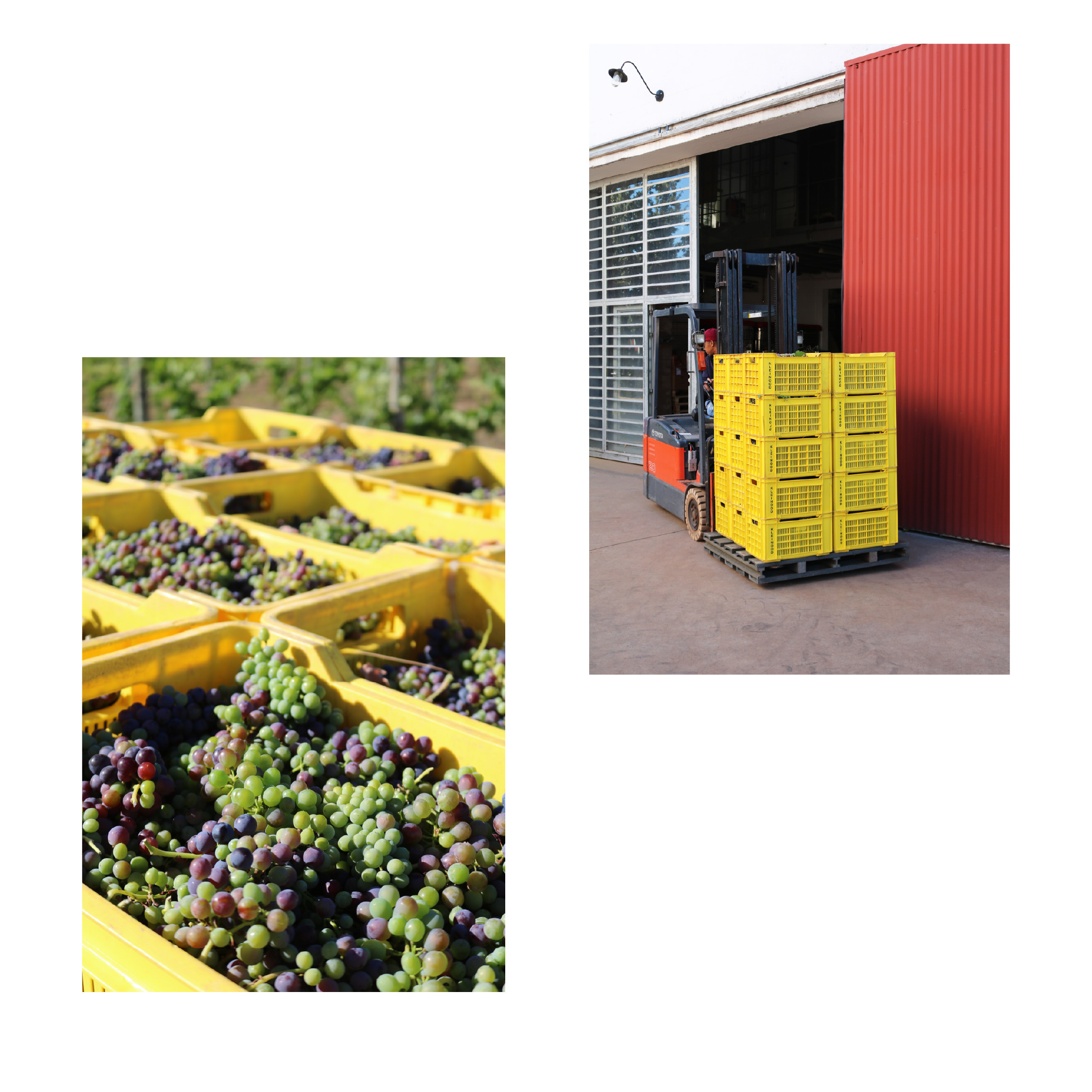
Excerpts From The Winemaker’s Diary
19.01.2026: Verjus Harvest
Verjus is a product defined by technical precision. By choosing to harvest at a modest sugar level of just 11-12 Balling, we capture the vibrant, electric acidity of the grape at its most energetic state, before the onset of sugar accumulation.
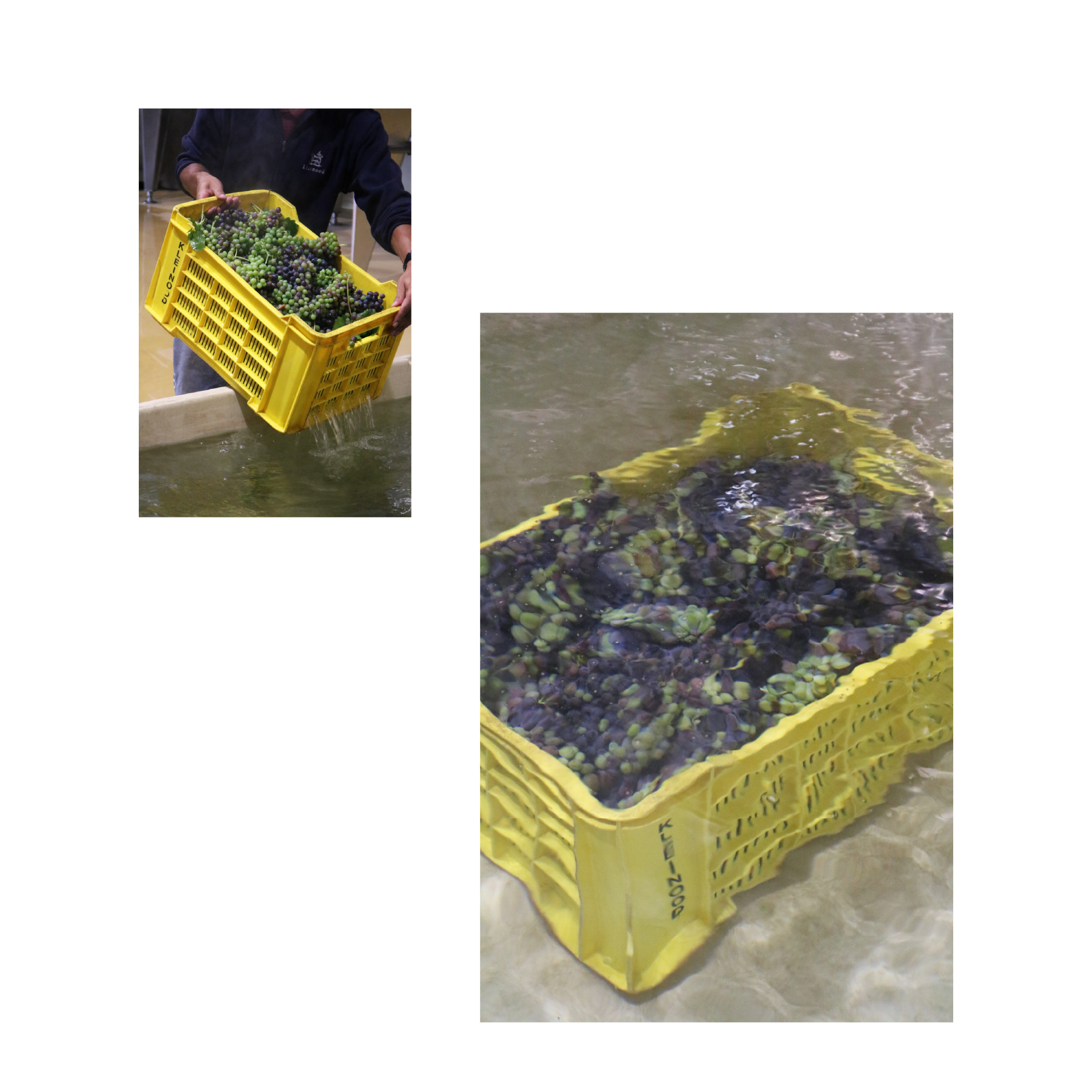
19.01.2026: Thermal Sanitisation
Precision begins at the cellar door. Immediately following the hand-harvest, the whole clusters undergo a rapid thermal treatment. This step is essential to ensure that only the most pristine fruit characteristics reach the press, effectively neutralising any indigenous vineyard yeasts.
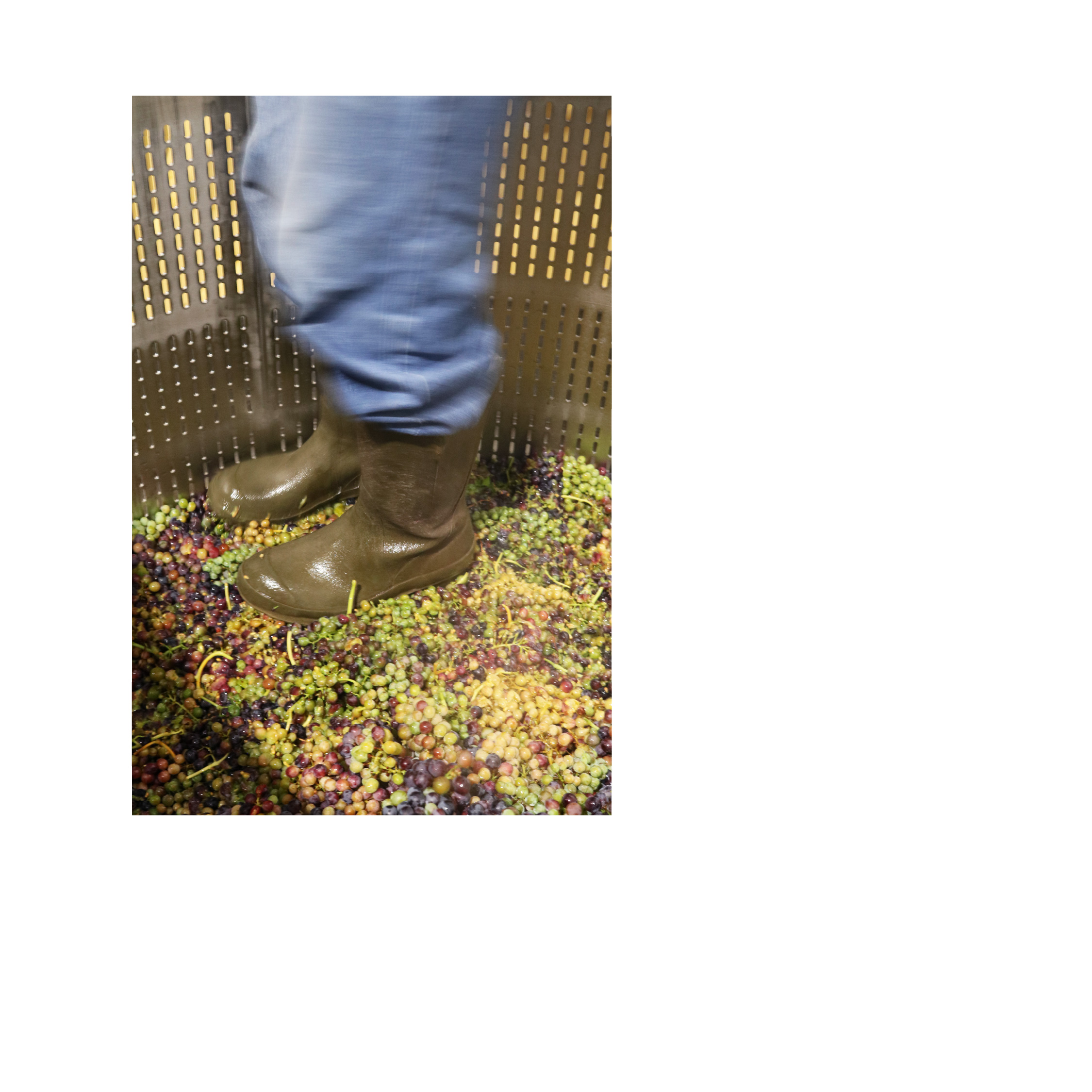
19.01.2026: Cryogenic Extraction
From the moment of pressing, the juice is plummeted to near-freezing temperatures. In my experience, maintaining this stringent cold chain is the only way to lock in those fleeting aromatics of Granny Smith apple and dew-drenched fescue.
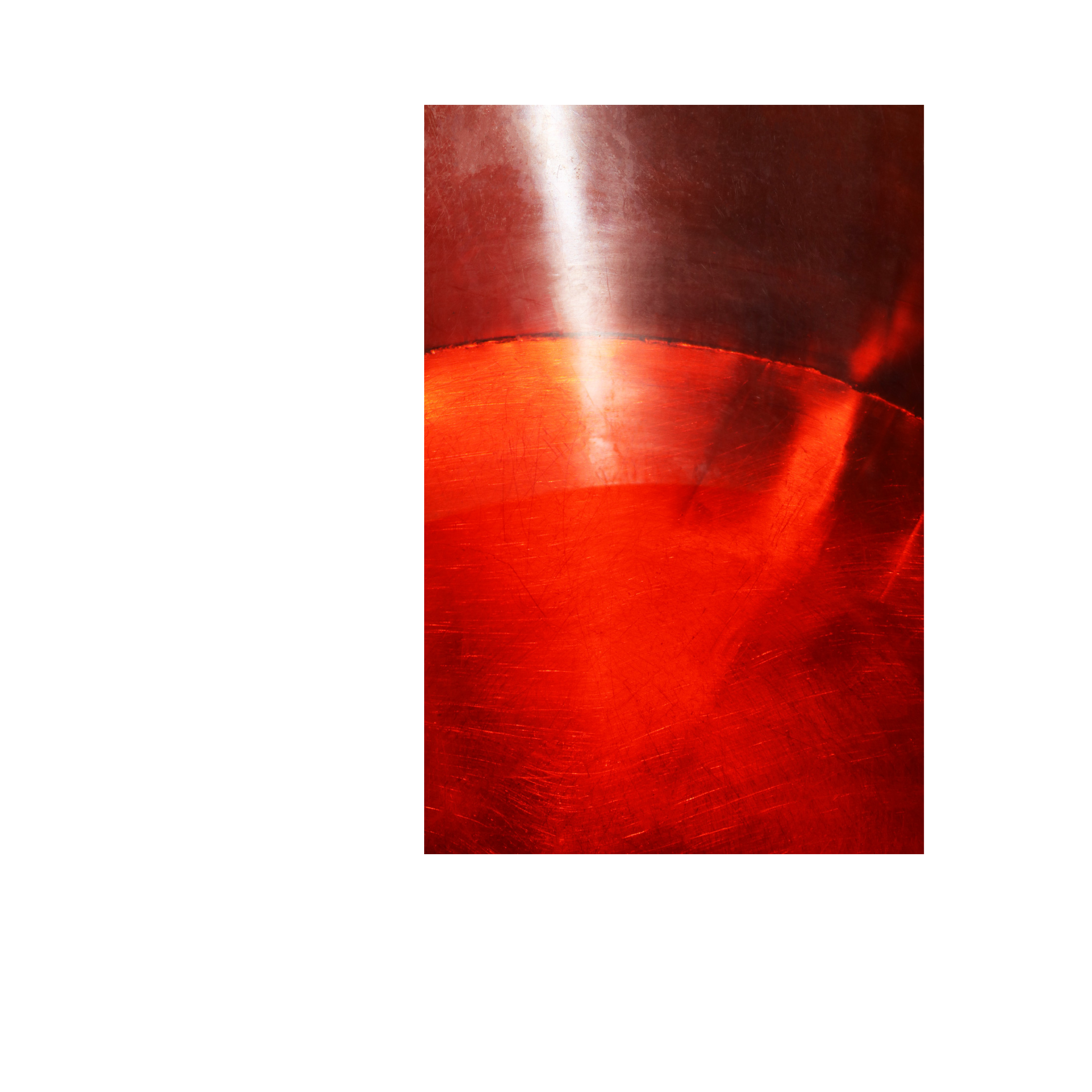
22.01.2026: Clarification & Absolute Purity
Through a sequence of exacting filtrations, the juice is refined until all turbidity is eliminated. This results in our 2026 Verjus possessing a luminescent, crystalline golden hue—a visual testament to its uncompromising purity.
23.01.2026: Stabilisation by Design
To ensure a resilient shelf life without resorting to intrusive additives, the bottled elixir undergoes a delicate pasteurisation. This process permanently secures the “zing” of its natural acidity, ensuring the product remains constitutionally stable for the discerning palate.
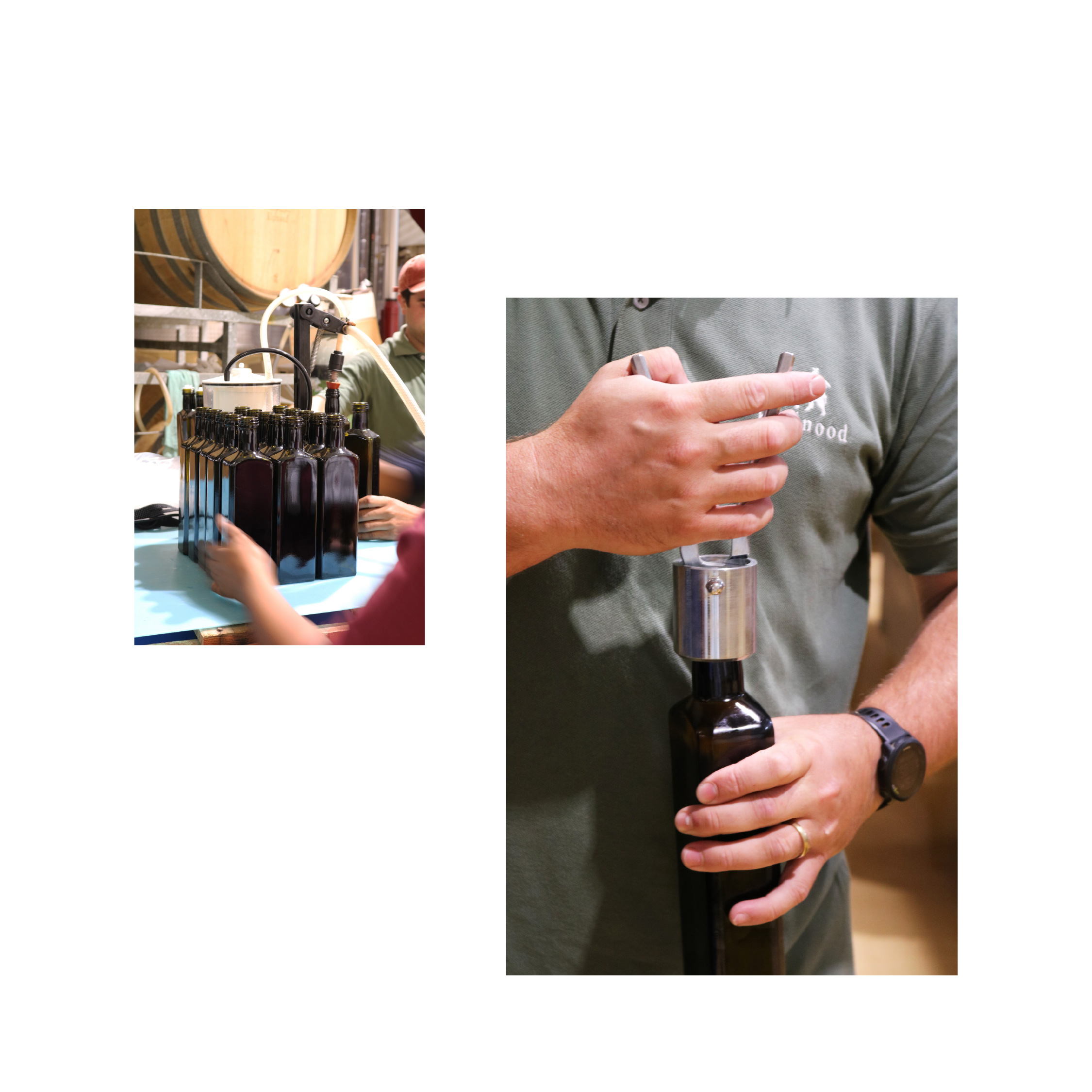
23.01.2026: Maximum-Hands-Per-Bottle
As with our Tamboerskloof Syrah, this Syrah Verjus is bottled and labelled individually and by hand. The vintage, the date of bottling and the number of each Verjus bottle is handwritten on the back label.
Tasting Notes
Verjus is high in acid and low in sugar, giving it its signature tart taste. It’s complex, and has an intense fruity flavour and slight medicinal undertone to balance the acidic bite, making it much more delicate and elegant compared to vinegar or lemon juice. There is some chemistry behind it, too. Made from grapes, Verjus shares an acid-base with wine: tartaric acid. While lemons contain citric acid and vinegar contains acetic acid.
Our Verjus is made from Syrah grapes grown through precision viticulture on Kleinood Farm, so it also shares the characteristic tasting notes of the Kleinood Tamboerskloof Syrah: plum, blackberry, violets and spices.
Capturing Evanescent Freshness
The culmination is a sophisticated culinary asset and an unparalleled palate cleanser. It is a product born of a winemaker’s necessity to protect his vineyards, yet refined into a luminous elixir that encapsulates the sharp, brilliant essence of a Cape summer.
– Lawrie Moore, Winemaker
Serving Suggestions
Enjoy Verjus ice cold as a refreshingly tart grape juice on a hot day, or pour over ice and add sparkling water.
Use in cocktails and homemade cool drinks as a fresh sour element.
In the kitchen, use in combination with de Boerin Extra Virgin Olive Oil to dress salads, marinade meat or to add a flavourful complexity to fish and poultry dishes. Use it for deglazing or in gazpacho.
In Medieval times, a common practice was to soak a piece of stale bread in verjus to thicken a stew.
For a light desert, serve Verjus sorbet sweetened with honey.
Verjus is wine-friendly and will not distort your palette or compromise the wine you are enjoying.