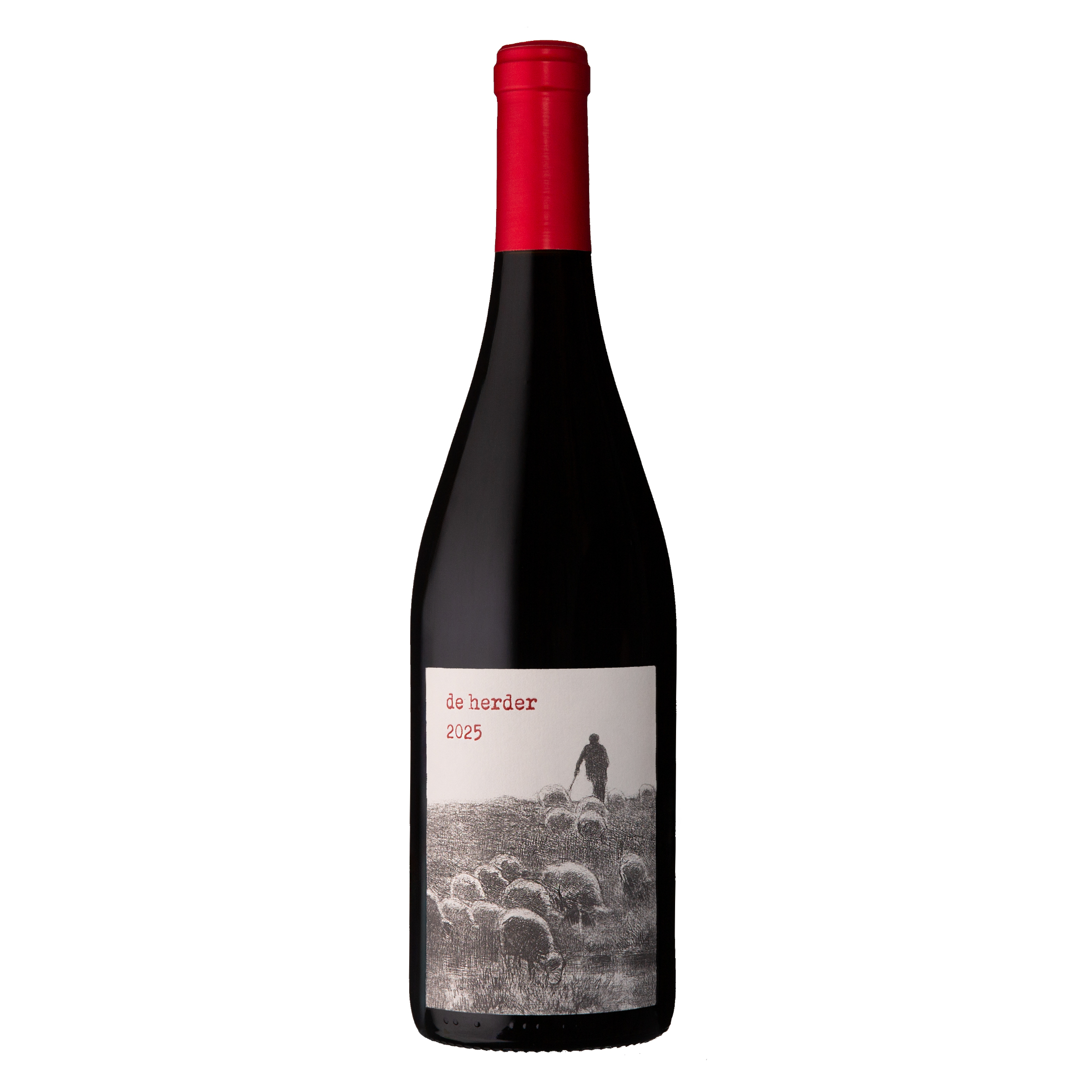
A shepherd is the one who patiently walks the hills and valleys in search of the best grazing for his flock.

The word shepherd derives from Old English sceaphierde / sceap or sheep, and hierde meaning herder.
The dutch de herder is closely related to the Afrikaans die herder which means the shepherd in both languages.
“a wolf in sheep’s clothing”
Shepherding is among the oldest occupations, beginning some 5,000 years ago, and still exists all over the world. Since ancient times shepherds were seen as wise, quiet, vigilant and reliable characters in touch with nature and untouched by the evils of society. So much so that they have become metaphors for everything kind and caring.
Today there are still shepherds who maintain their traditional way of life, preserving the ancient practices and knowledge that have been passed down from generation to generation.

Because of their nomadic lifestyle, most herders are still mostly solitary males, often the younger sons of farming peasants or elders who do not care much for company or hard labour any more.
shepherds can be young or old

“black sheep of the family”


women can be shepherdesses
“as meek as a lamb”
Farmers need herders and so do sheep.
Sheep are not strong and independent creatures, not proud hunters or fierce predators. Sheep are direction-less and prone to wander. Even if you put them in an absolutely perfect environment with everything they need, like green pastures and still waters, sooner or later they will just wander off.
Left to themselves, sheep will not and cannot last very long. If there is no shepherd to manage them, and keep them under constant surveillance, they will soon enough wander off and be lost. They are defenseless. They have nothing to protect themselves with. Sheep are not fast or agile and they cannot scare predators away. Without a shepherd to protect them, they will not survive.
“as a lamb to the slaughter”

a shepherd does not only herd his sheep,
but takes care of them in sickness and in health.


the raising of sheep was confined to rugged and mountainous areas
Although shepherds mostly lived solitary lives and minded their own flocks at their own pace and in their own way, they would sometimes work in groups either looking after one large flock, or each bringing their own and merging their responsibilities.

shepherds return to handmade shelters year after year

During what is often long harsh winters, shepherds would build and live in small stone huts or yurts to protect themselves and their sheep from the cold. Sharing these humble habitations with their sheep not only protected the sheep, but helped to keep them warm as well.
They would spend their days foraging, and hunting hares or birds. They would also buy provisions from the communities they passed through from time to time.
During the long cold nights by the fire, with only their loyal dogs and sleeping sheep for company, they would carve crooks, mend their clothes and shoes, and make sheep’s milk cheese.
“mutton dressed up as lamb“


no shepherd would be without his dog – his friend, his helping hand and, often, his protection and only company for many long days and quiet lonely nights
“seperating the sheep from the goats“
Kleinood
de herder
Rhône Blend

Inspired by this sacred and ancient practice, we searched the rugged mountain folds of Stellenbosch for select parcels of vineyard to bring you, our flock, an expressive Rhône blend made on Kleinood Farm.