stories
on the brink of
extinction
brought to you by de herder of kleinood farm
A gathering place for folktales, anecdotes, legends, myths, and mysteries.
A written archive of stories to be enjoyed, pondered, revisited, and retold.
A movement dedicated to preserving tales of old for generations to come.
How Tamboerskloof Came To Be
The Story of a Cape Town Suburb
The name itself is a clue, if you know how to listen…
The tale of the suburb of Tamboerskloof is nearly as old as Cape Town itself and goes back to the birth of the city as we now know it. Before it was a residential suburb spread along the slopes of Signal Hill, it served a distinct purpose many have forgotten…
To understand the story fully, you must strip away the Victorian verandas, the Art Deco facades, the bougainvillea tumbling over garden walls — and go back to when this great mountain was untamed, and the only souls who walked these slopes did so with urgent purpose.
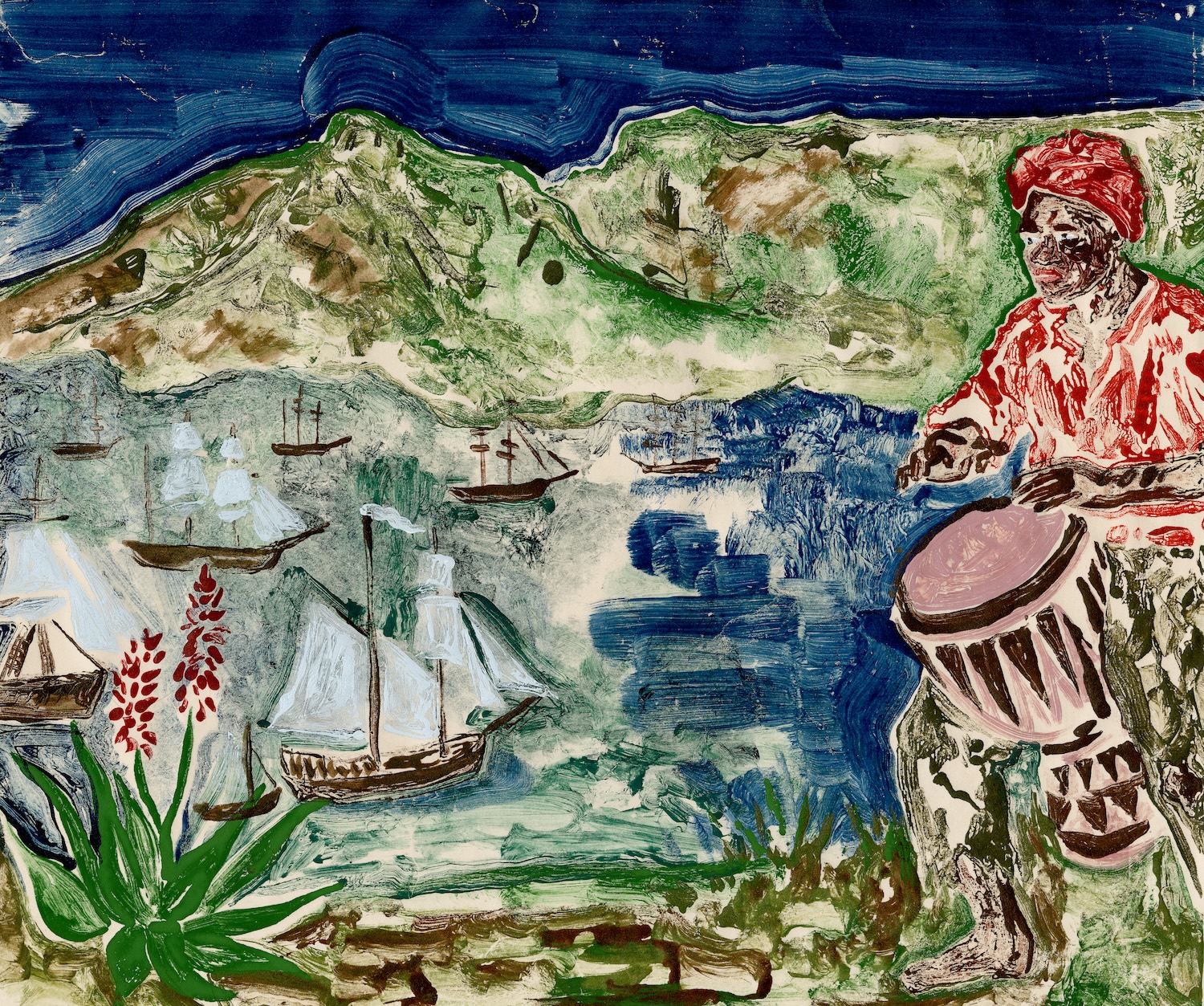
The name itself is a clue, if you know how to listen… Tamboerskloof. Say it slowly. Feel the Dutch syllables in your mouth — “tamboer”, meaning “drum”, and “kloof”, that wonderfully expressive Afrikaans word for a ravine or valley. The Valley of Drums. Already, before a single story is told, the name whispers of something rhythmic, something signalling, something alive.
Let’s rewind to the 1650s. Jan van Riebeeck had barely driven his first stake into the earth at the Cape when the Dutch East India Company — the mighty “Vereenigde Oostindische Compagnie”, or VOC — began threading its ambitions along these slopes. The Cape was not yet a city. It was a waystation, a refreshment stop between the old world and the riches of the East, and its entire purpose rested on one thing: knowing when the ships were coming. And so they built the lookout posts.
The very first — the original sentinel eye of what would become Cape Town — was placed here, in this ravine that would one day bear the name of the instruments that gave it its voice. Watchmen were posted on the high ground, scanning the cold Atlantic horizon with salt-stung eyes, watching for a distant smudge of sail against grey sky.
When the ships appeared — those great, wallowing VOC vessels groaning with spice and ambition — the watchman did not shout, for there was no one near enough to hear him. Instead, he reached for his drum.
Boom. Boom. Boom.
The sound rolled down through the kloof and up to the next post, and the next, a percussion relay line that stitched the slopes of Signal Hill to the harbour below. And when that drumbeat reached the farmers who worked the land beyond the mountain’s shadow, they knew. The oxen were hitched, the wagons loaded, the fresh produce — beans, cabbages, turnips, salted meat — all of it trundled down toward the harbour to supply the passing fleet.
A city built on the beat of a drum. Could there be a more fitting origin for a place as spirited as Cape Town?
Things change, however. Such is the nature of time…
By the early 1800s, the slopes had been carved into grand estates. Among them: Tamboerskloof itself, and the proud Leeuwenvoet — Lion’s Foot. Walk the suburb today and these ghosts remain. Street signs carry their names like heirlooms — Leeuwenvoet, De Hoop — quiet monuments to the estates that once fed the ships of an empire.
After the Anglo-Boer War, men settled on these storied slopes and built with Victorian flourish — verandas, fretwork, pitched roofs that spoke of quiet optimism. The farm furrows gave way to streets, and Tamboerskloof became a neighbourhood.
Then, in the 1930s, Art Deco apartment blocks arrived like bold punctuation marks — curved facades, geometric ornament, clean lines utterly unconcerned with Victorian sentiment. Rather than clash, the two eras entered a quiet conversation, producing something rare: an architectural harmony born entirely of accident.
Today, Tamboerskloof sits above the city like a knowing elder — close to Kloof Street’s hum yet tucked into its hillside with dignified remove. The Victorian homes still stand. The Deco blocks still curve their corners against the sky. And the mountain looms at the end of certain streets with the authority of something that was here long before any of this, and fully intends to outlast it all.
But perhaps the most remarkable thing about Tamboerskloof is its name. Every time someone says it, they are — knowingly or not — honouring a watchman who stood on a cold Cape morning three centuries ago, spotted a sail on the horizon, and reached for his drum.
Boom. Boom. Boom.
The End
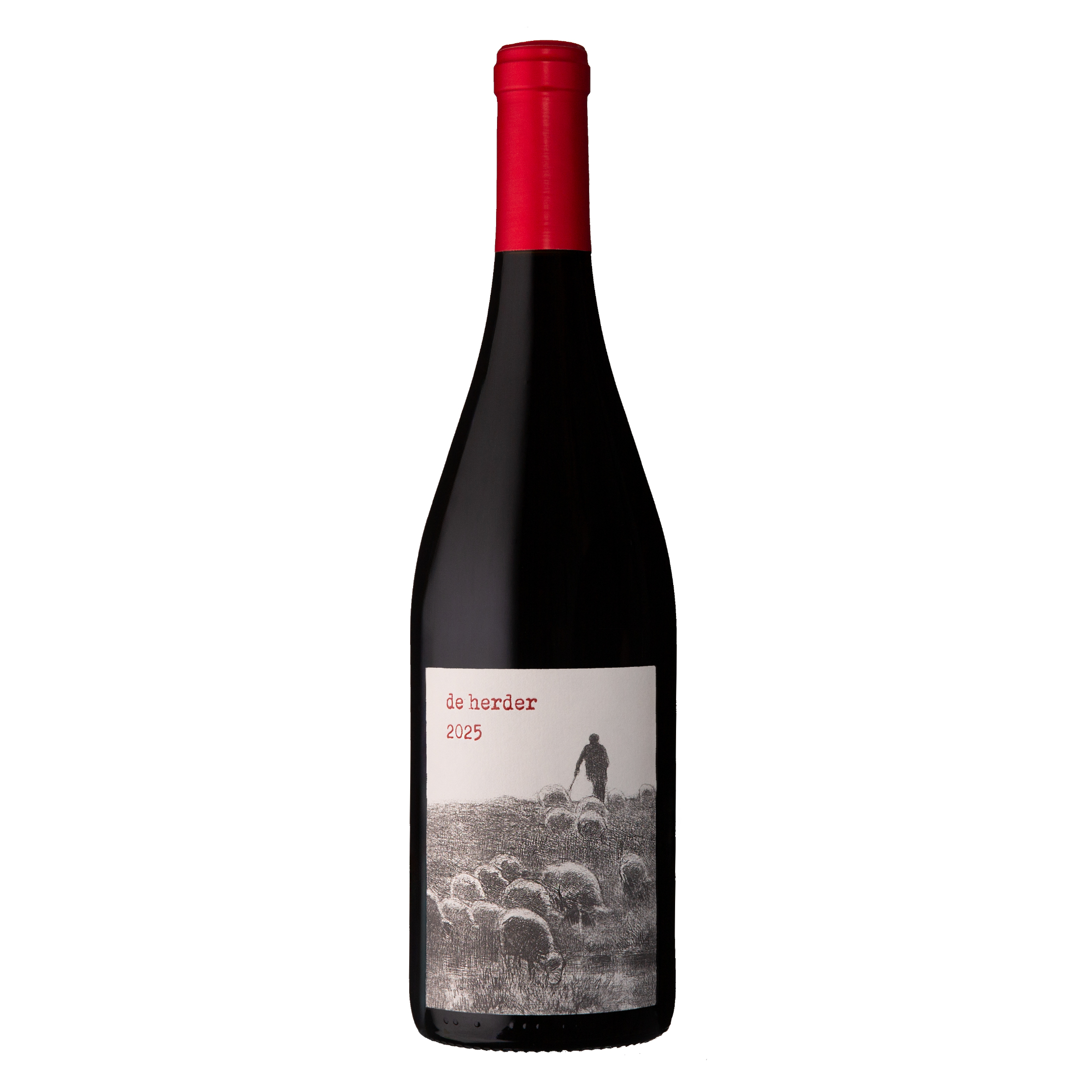
Kleinood de herder Rhône Blend
de herder = the shepherd, the one who patiently walks the hills and valleys in search of the best grazing for his flock.
Inspired by this sacred and ancient practice, we searched the rugged mountain folds of Stellenbosch for select parcels of vineyard to bring you, our flock, an expressive Rhône blend made on Kleinood Farm.
The 2025 blend
Syrah 76% (Stellenbosch)
Cinsault 17% (Stellenbosch)
Mourvèdre 7% (Stellenbosch)